



Clayhead Trail & The Maze
If you’re looking for natural peace and quiet, this 190-acre parcel on the northeast part of the island contains some of the island’s most spectacular scenery. To reach the trail, look for a post marker on the right side of Corn Neck Road…

Rodman's Hollow
If you’re looking for a relatively easy walk through a variety of natural settings – from wooded to open, from towering bluffs to a pristine beach – Rodman’s Hollow is a can’t miss place. Rodman’s Hollow is a glorious 230-acre…
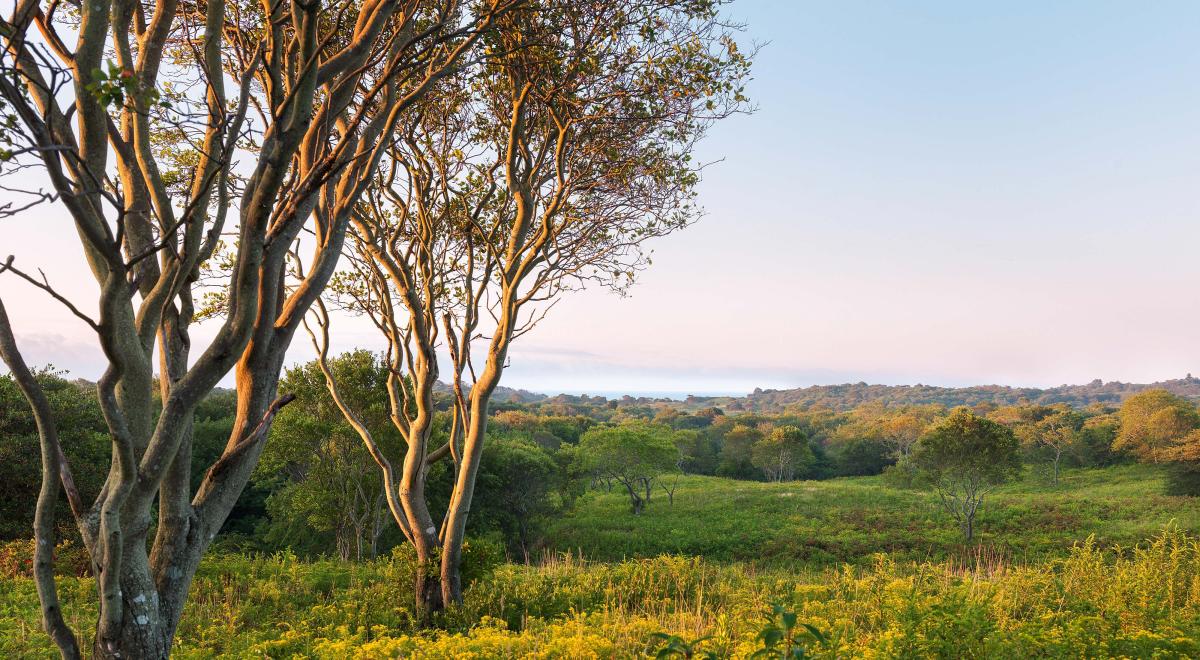
Rodman’s Hollow offers an untouched paradise for spotting birds like northern harriers, sparrows, and more in the quiet, expansive glacial outwash basin.
When to Experience the Best Birding on Block Island
With such a wide range of habitats packed into a single island, birding here is as much about timing as it is about location.
Daily Birding
The best bird activity typically happens in the early morning or late afternoon. These times align with peak feeding and ideal lighting conditions for viewing.
Calm mornings along trails like Clay Head or Rodman’s Hollow often reveal songbirds moving through shrubs and low vegetation.
Year-Round Opportunities
Birdwatching on Block Island can be enjoyed year-round, with different species active depending on the season and habitat.
In spring and summer, the island’s resident populations are easy to spot, including Rhode Island’s largest gull colony, featuring Herring and Great Black-backed gulls.
While migration slows during these warmer months, it is still a great time to observe nesting birds and resident species across the island’s diverse habitats.
In winter, birdwatchers can spot seabirds and waterfowl along the island’s coast, offering continued opportunities to see birds even in the off-season.
Fall is Peak Birding Time
Fall is one of the most exciting times for birding on Block Island, as migrating birds arrive in large groups.
-
Migration builds throughout September
-
Peaks in late September and October
During this time, warblers, sparrows, and other species appear in impressive numbers. After overnight flights, many settle into coastal brush and grasses, creating excellent viewing opportunities across the island.
Tips for Birdwatching Safely & Responsibly
Plan Ahead for Your Visit
Head out early and be sure to pack a bag with:
-
Water
-
Sunblock
-
Your binoculars or camera
-
A journal or a recording app to document what you see
Wear comfortable walking shoes and clothing for the weather.
Respect Wildlife and Habitats
Regardless of the length or location of your journey, be mindful of your surroundings and leave the habitats as you found them.
Block Island has several ongoing conservation efforts, including habitat restoration and protecting the nesting areas of threatened species, such as the piping plover, as well as research initiatives through the Block Island National Wildlife Refuge and the Audubon Society of Rhode Island.
Start Planning Your Birding Getaway
Birdwatchers of all experience levels will find something to enjoy on Block Island.
When you’re ready to start planning your trip, explore where to stay and how to get here. For more ways to experience the island’s natural beauty, continue exploring outdoor activities, trails, and coastal spaces.


